
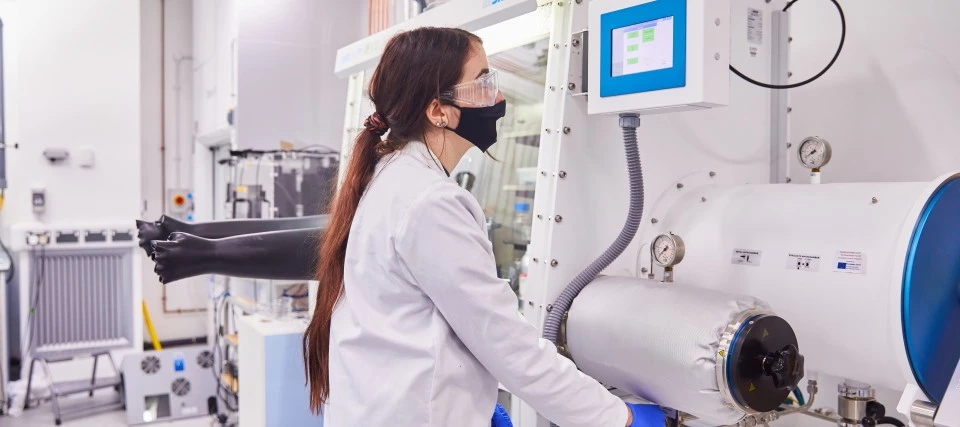
Universities around the world are making big moves in green energy, with fuel cell labs at the heart of their push for sustainable innovation. These research spots pull together undergrads, grad students, and seasoned professors to dive into hydrogen tech and other energy options. The vibe is energetic experiments get planned, prototypes get tested, and ideas get hashed out all aimed at building cleaner, more efficient energy systems that could someday power electric cars, steady energy grids, and cut down on environmental harm.
Inside the Labs
Stepping into a university fuel cell lab shows a perfect mix of book smarts and real world tinkering. Electrochemical testing stations, gas chromatographs, and fuel cell stacks run nonstop as researchers check performance and spot ways to improve. Students often switch between synthesis labs and testing benches, trying out new materials, tracking performance stats, and learning from wins and safe flops all under tight safety rules. Instead of just lecturing in class, professors push hands-on learning. Students are urged to jump in building, tweaking, and sometimes wrecking cells to grasp the science underneath.
The progression is steady: Freshmen mess with basic electrolyzers, juniors dig into catalyst wear, and seniors lead research teams that publish papers or spark patentable ideas. This setup makes sure grads leave with real skills, sharp thinking, and solid real world problem solving.
Tackling Real Challenges
Fuel cells could finally kick fossil fuels to the curb and cut emissions big time. In the labs, tight-knit teams of chemists, engineers, material folks dig into the tough stuff: cheaper hydrogen, better storage, conversion that won’t break the bank. They hash out costs, squeeze out efficiency bumps, and figure out how to scale it. Real progress, one fix at a time. For instance, a group effort to swap pricey platinum catalysts for cheaper options or create better membranes might boost performance by 8%, a modest number with huge potential for industry use. These breakthroughs, starting in academic labs, often end up in commercial tech like hydrogen vehicles, hospital backups, and rural microgrids.
Bridging Campus and Industry
Fuel cell labs also serve as key links between campus and industry. Partnerships with startups and energy firms are routine, where universities test prototypes, break down failures, and give useful input. Students get a taste of actual industry problems, land internships, and grow networks that go beyond school. For companies, these ties provide access to top notch lab gear, fresh research, and bright young talent without the overhead of big in-house teams. Universities gain from industry cash, data, and possible stakes in spin offs. Such teamwork speeds up moving innovations from lab to large scale use.
Building Tomorrow’s Problem Solvers
While cutting-edge tech is key in these Fuel cell labs, their biggest win is shaping skilled, creative thinkers. The tough research teaches resilience, flexibility, and collaboration. Whether handling overnight experiments, fixing surprise gear issues, or pitching results to industry visitors, students learn to think on their feet under pressure. Hackathons and research showdowns fire up fresh ideas, forcing students to slap together working fuel cells under crazy deadlines. High school visits and hands-on workshops get younger kids excited about renewables, planting seeds for tomorrow’s engineers and scientists. When pros from heavy hitters like NASA roll in to talk shop about real projects, it lights a fire and drops serious know-how.
Conclusion
Universities aren’t just watching the green shift, they’re actively pushing it along.
Fuel cell labs are quietly reshaping how we think about clean energy. Inside these spaces students,engineers, and researchers work together to turn ideas about hydrogen power into something real. The progress might look small day to day with an improved design, a better reaction test but it adds up to something bigger. Every project, partnership, and late night experiment moves us closer to cleaner, smarter energy systems. The people learning and building in these Fuel cell labs now will be the ones guiding how the world runs on hydrogen and renewables in the years ahead.
