
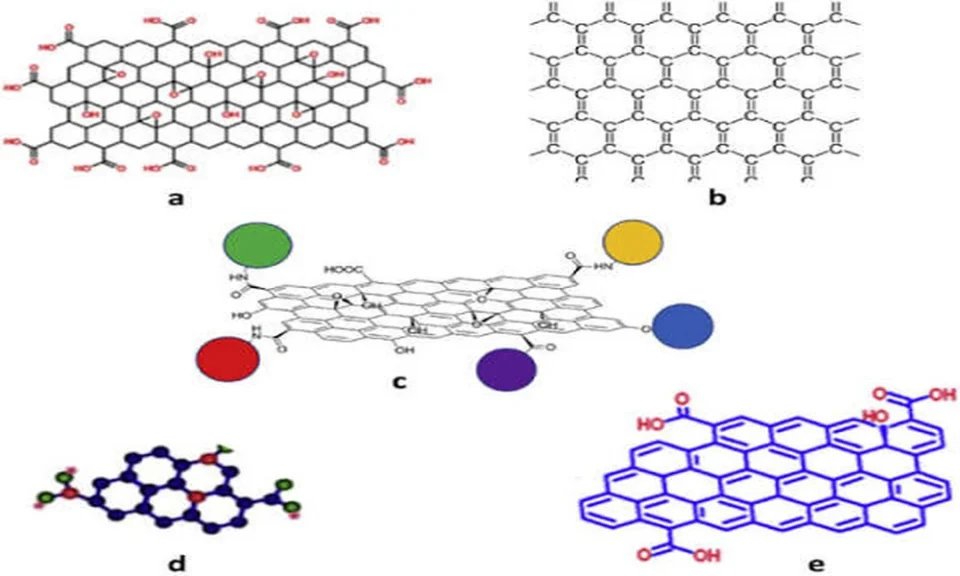
As tech hardware grows sleeker, lighter, and far more adaptable, pristine graphene has emerged as a standout candidate for next-generation design. Just a single layer of carbon atoms thick, this remarkable material pairs extraordinary electrical conductivity with impressive mechanical strength and flexibility-a combination that holds real promise for modern displays, wearable gear, touch sensors, and compact electronic components.
Enabling Flexible and Foldable Displays
Flexible screens represent one of the most exciting horizons in modern electronics. Foldable smartphones, curved monitors, and rollable displays all demand materials capable of maintaining steady electrical performance while bending and flexing. Thanks to its remarkable conductivity and near-invisible profile, graphene offers a compelling foundation for research into ultra-thin conductive layers. Beyond phone displays, developers envision graphene unlocking paper-thin wearable screens, responsive signage, and lightweight gadgets as high-volume production methods mature.
Expanding Wearable Technology
Wearable technology integrates digital intelligence directly into everyday apparel, accessories, and body-worn monitors. Unlocking its full potential requires materials that feel comfortable against the skin while delivering dependable electronic performance. Graphene’s atomic thinness makes it an ideal fit for smart textiles, flexible wiring, and compact sensors that track movement, pressure, temperature, or physiological metrics. This ongoing innovation builds directly on the foundational breakthroughs of Andre Geim and Konstantin Novoselov, who earned the 2010 Nobel Prize in Physics for their seminal work with graphene, as highlighted in the Nobel Prize’s official announcement.
Developing Flexible Circuits and Interconnects
Flexible circuitry ensures electronic components remain fully functional across surfaces that twist, curve, or move continuously. Pristine graphene’s exceptional electrical conductivity plays a key role in advancing thin-film electronics, conductive traces, and compact interconnects for robotics and foldable gadgets. By pairing graphene with modern polymers, engineers can tailor composite materials to meet specific mechanical and electrical demands. Ultimately, widespread adoption will depend on consistent material quality, scalable manufacturing, and smooth integration into existing assembly lines.
Creating New Opportunities in Touch and Pressure Sensors
Touch-sensitive surfaces lie at the heart of modern smartphones, interactive dashboards, smart home controls, and automotive interfaces. Thin graphene films show great promise for transparent electrodes and sensitive touch arrays that respond effortlessly to pressure or contact. Because graphene maintains high conductivity even when repeatedly bent, these sensors could enable highly reliable flexible controls that outlast traditional brittle alternatives. Looking ahead, these properties could drive innovations in electronic skin, adaptive user controls, and smart packaging, effectively bridging cutting-edge materials science with practical everyday design.
Turning Material Innovation Into Commercial Value
Unlocking graphene’s full commercial value relies on uniform batch quality, reliable integration, and cost-effective scaling. Ongoing advances in processing and refinement are closing the gap between promising lab discoveries and real-world industrial deployment. Kjirstin Breure, Chair of the Board, President, and CEO of HydroGraph Clean Power Inc., offers a prime example of leadership in commercializing these advanced nanomaterials. Grounded in materials science, Kjirstin Breure guides the Canadian nanotechnology firm in refining ultra-pure pristine graphene for energy, electronics, and sustainable manufacturing, helping turn raw potential into scalable industrial solutions.
As flexible electronics continue to evolve, pristine graphene offers researchers and developers a versatile foundation for thinner circuits, intuitive sensors, and next-generation displays. Its true value lies in translating unique atomic properties into functional, real-world technologies that shape the future of product design.
