
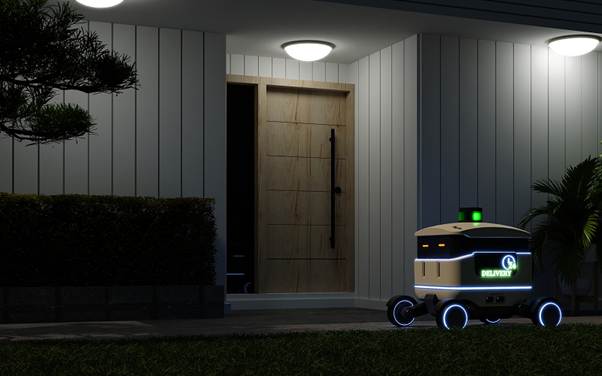
What once seemed like the domain of science fiction is now becoming a standard component of modern security systems. The use of robotics in security, particularly for perimeter protection, is no longer a futuristic concept—it’s a practical, data-driven solution with measurable results. As threats become more complex and environments more unpredictable, security and surveillance solutions must evolve to meet new demands. Robotic systems are emerging as a reliable method to protect assets, reduce risks, and fill the gaps left by traditional security methods.
Continuous Monitoring Without Fatigue
One of the most significant advantages of robotic perimeter security lies in its capacity for constant vigilance. Unlike human guards, robotic systems do not suffer from fatigue, distraction, or routine-induced complacency. They are programmed to follow precise patrol routes, scan predefined areas, and detect anomalies with consistent performance. This around-the-clock monitoring ensures that security coverage remains uninterrupted and unaffected by external conditions such as weather or time of day.
Real-Time Data Collection and Response
Modern robotics in security is equipped with an array of sensors—thermal imaging, lidar, infrared, and high-definition cameras—that gather and transmit real-time data to control centres. These systems can detect unauthorised access, unusual motion, or environmental changes with speed and precision. The information they collect can trigger alerts, initiate lockdown protocols, or dispatch human responders. This level of responsiveness increases the likelihood of early threat detection and intervention, improving overall security outcomes.
Deterrence Through Presence
Robots serve as a visible deterrent. Their presence along perimeter lines signals active surveillance and advanced security infrastructure. This can discourage would-be intruders before any breach attempt is made. Robotic units that are equipped with cameras and sensors communicate the message that unauthorised access will be detected and recorded. The psychological effect of facing a machine that doesn’t blink or look away is a powerful one, making robots an effective frontline tool.
Custom Features for Specific Industries
Security and surveillance solutions are not one-size-fits-all. Robotics in security can be customised to fit specific needs—whether it’s perimeter detection in agriculture, surveillance in logistics yards, or patrol in sensitive research facilities. They can be designed to operate under low visibility, navigate complex terrains, or communicate alerts in multiple languages. This adaptability ensures that security strategies remain aligned with operational goals.
Reduced Human Risk in Dangerous Zones
Certain perimeters—such as those in industrial sites, remote compounds, or high-risk zones—can pose significant safety hazards for human guards. In these settings, deploying robotics in security reduces the need for physical exposure to toxic substances, hazardous terrain, or potential hostile encounters. Robots can patrol areas where sending a person would be dangerous or impractical, allowing for better risk management while maintaining full security coverage.
Integration with Broader Security Networks
Robotic surveillance units can seamlessly integrate into existing security ecosystems. They can be programmed to work in tandem with CCTV systems, motion sensors, gate controls, and access management protocols. This interoperability allows them to extend the range and capability of a site’s overall security framework. When integrated effectively, they act as mobile extensions of fixed systems, bridging gaps and improving site-wide awareness.
Cost-Efficiency Over Time
Although the initial investment in robotic security systems may seem high, long-term savings are achievable through reduced manpower costs, lower error rates, and fewer disruptions. Robots don’t require shifts, salaries, or breaks, and maintenance is typically more predictable than the logistics of staffing. Over time, their consistent performance translates into measurable savings while enhancing security outcomes.
Learn More: Robotics Technology: A Game-Changer in Facility Management
Scalable and Programmable Solutions
Another advantage of robotic perimeter systems is scalability. Organisations can deploy as many or as few units as needed, adjusting for site size, threat levels, or operational changes. The ability to reprogram patrol paths, update detection parameters, or assign new areas of responsibility makes them flexible and adaptable to changing needs. Unlike static systems, they grow and evolve with the demands of the environment.
Enhanced Accountability and Reporting
Robotic surveillance units automatically log data, video, and sensor readings. These digital records provide traceable evidence that can be reviewed for compliance checks, security audits, or incident investigations. The documentation produced by robotic systems eliminates guesswork and ensures transparency. This improves accountability across all layers of a security operation, which is especially critical in high-stakes or regulated environments.
Future-Proofing Security Strategies
As technology advances, so do threats. Incorporating robotics into security planning positions organisations to meet future challenges with resilience. Rather than reacting to security incidents, these systems enable proactive surveillance and response. By investing in these tools today, companies and institutions lay the groundwork for long-term stability and adaptability in a rapidly changing landscape.
The real-world advantages of robots in perimeter security extend far beyond science fiction. With precision, reliability, and integration at their core, they are transforming how organisations approach safety and surveillance.
For more information about robotics in security and surveillance solutions, contact KABAM Robotics today.
