
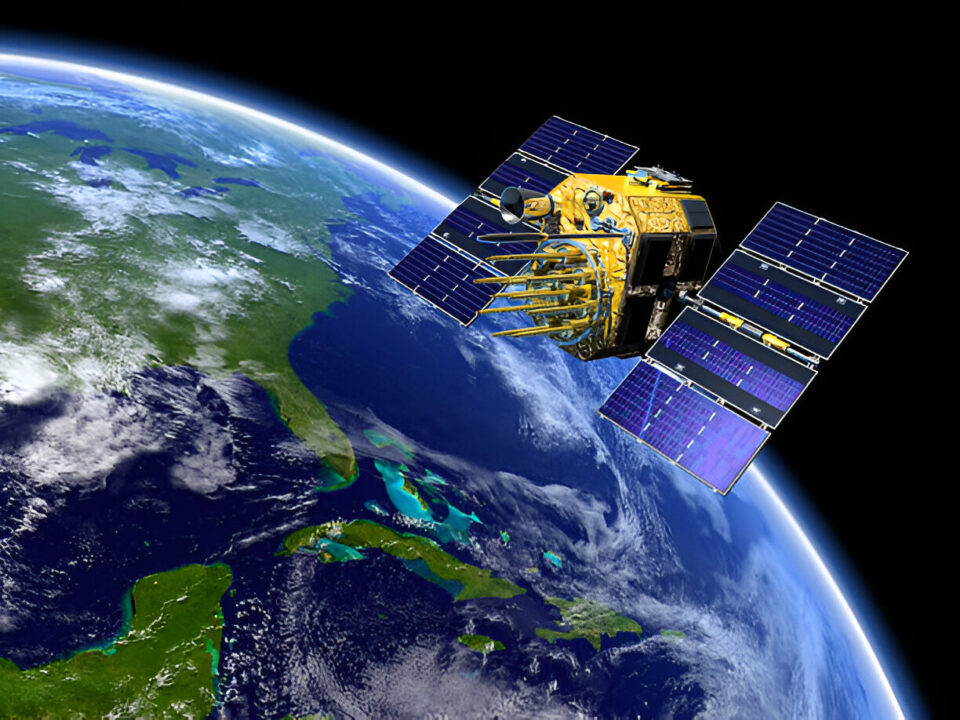
Monitoring the environment is beginning to seem more crucial than it ever has. Cutting down trees, developing cities, and natural calamities all have bearing on our ecosystems, therefore we absolutely have to come up with effective means to keep an eye on events outside and do it quickly. Satellite imagery is useful here. Large regions are visible thanks to them, so assisting all from scientists to legislators to conservationists in making wise decisions meant to conserve and heal our natural surroundings.
Getting a Clearer Picture with Detailed Images
High resolution satellite imagery lets one spot even the smallest changes in the surroundings. When assessing issues like the loss of woods, water pollution, and changes in land use over time, these image facts are quite important. Combining state-of-the-art imagery and remote sensing techniques, companies like OnGeo Intelligence are pushing the envelope in this field to glean information on the surroundings. They are enabling governments and companies to plan more wisely and better handle risk.
Clearly Observing Environmental Transformations
Early detection of environmental problems is made possible with access to high resolution satellite data. This information enables faster action against environmental dangers whether one is monitoring coastal erosion or hunting illegal logging in tropical forests. Using VHR satellite imagery—that is, supersharp images—you can meticulously analyze what is going on the earth, to less than one meter for every pixel. Monitoring significant ecosystems—especially in areas rich in biodiversity that are in danger—depends on this kind of detail.
Quick Reaction to Environmental Issues
Very high satellite imagery helps to control water resources, monitor air quality, and react to crises. Quick and accurate imaging helps first responders and environmental organizations map out the affected areas, prioritize which problems require immediate attention, and assess the long-term consequences whenever there’s a wildfire, flood, or spill. Regular monitoring using VHR instruments shows changes over time in places like wetlands, estuaries, or locations with glaciers, therefore exposing patterns that reflect more general climate problems.
Keeping an Eye on Changes Over Time
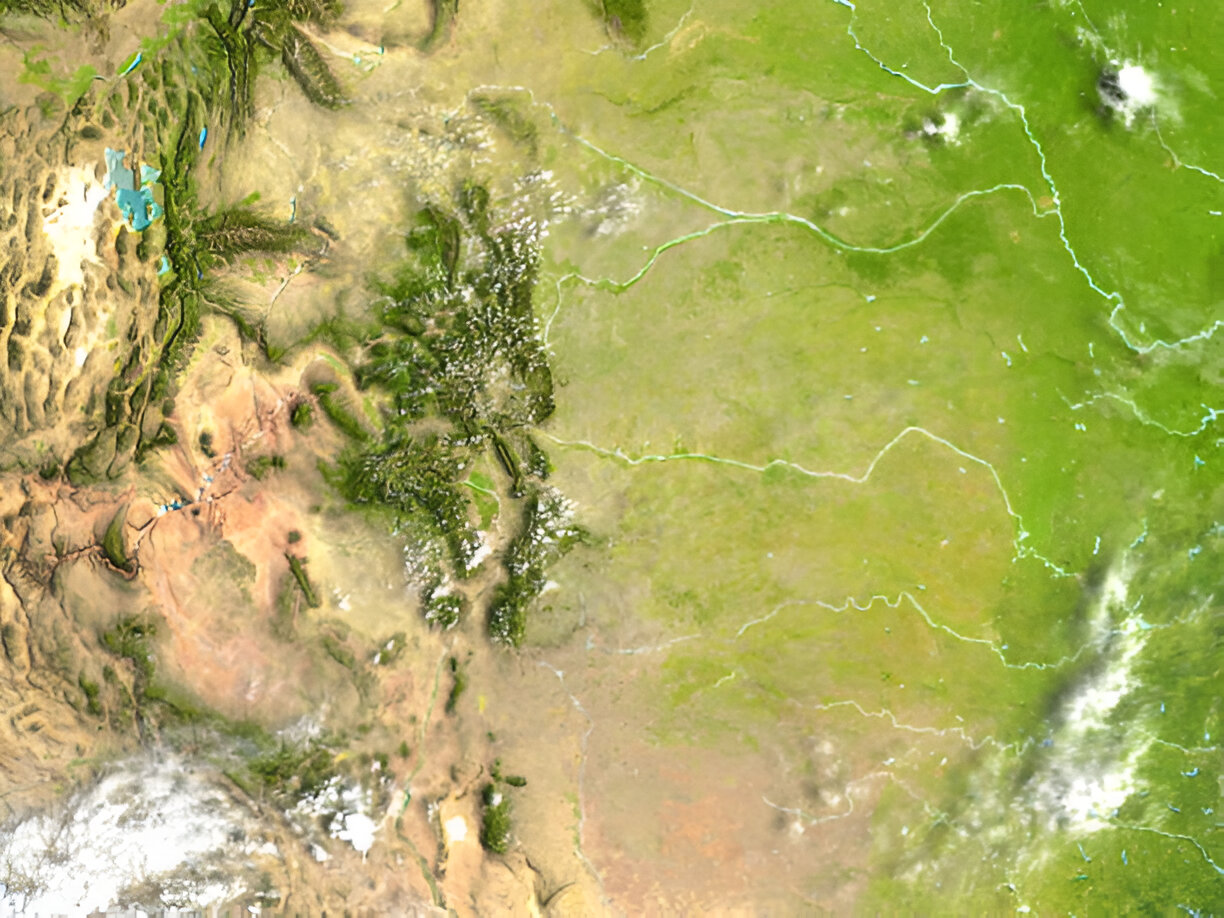
Apart from responding to disasters, satellite images are essential for long-range environmental protection planning. By analyzing data gathered across time in the same regions, specialists can produce timelapse studies that reveal ecosystem changes. These results can direct policies on matters like conservation, agriculture, water management, and city planning, therefore providing policymakers the reliable data they require to follow sustainable practices.
Watching Over Hard-to-Reach Places
Satellite surveillance lets one get to locations that are either challenging to reach or hazardous for people, thus making it among the finest. From a safe distance, we may thoroughly inspect frozen areas, active volcanoes, remote islands, and contaminated industrial zones. This approach allows for more regular data gathering and lowers costs in addition to ensuring everyone’s safety.
Concluding: Why Satellite Images Count More Now Than Ever Before
Monitoring the environment now depends mostly on satellite photographs, particularly the high and exceedingly high-resolution ones. Their relevance in safeguarding our world is really increasing from recognizing small alterations in the land to reacting to major calamities. Leading the charge in this change, many groups offer insightful information via remote sensing and cutting-edge image analysis techniques. Never has it been clearer how important it is to view our planet from above as the environmental issues of the 21st century is getting worse.
