
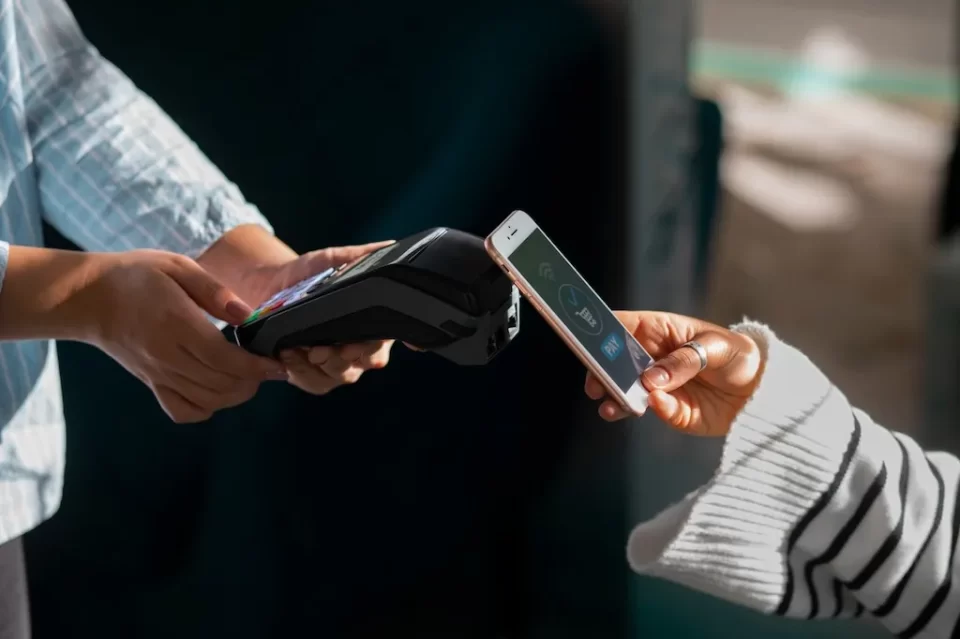
Digital payments have become a global expectation, but for many small businesses in Jamaica, accepting card payments is still more complicated than it should be. While customers increasingly prefer cashless options, the infrastructure and tools available to local businesses have not always kept pace.
Service-based businesses such as barbers, salons, spas, and tour operators are often the most affected. These businesses rely on advance bookings, deposits, and flexible payment methods, yet many still depend on cash or manual bank transfers.
Why card payments remain challenging
One of the biggest obstacles is access. Some payment solutions require foreign bank accounts or lengthy onboarding processes that are not practical for small operators. Others involve high fees or complex hardware that does not fit mobile or appointment-based businesses.
Payout speed is another concern. Delayed access to funds can disrupt cash flow, especially for businesses operating on tight margins. When money takes days or weeks to arrive, planning becomes difficult.
There is also the issue of customer experience. Tourists and younger customers often expect to pay by card or phone. When businesses cannot accommodate this, they risk losing sales.
The growing demand for simpler solutions
Despite these challenges, demand for digital payments continues to grow. More businesses are looking for tools that allow them to:
- Accept card payments without terminals
- Collect deposits before appointments
- Get paid directly into local bank accounts
- Reduce no-shows and payment friction
Payment links and QR code payments are becoming increasingly popular because they remove the need for physical hardware and simplify the transaction process.
New platforms addressing the gap
As new platforms emerge to address these challenges, tools like HandyPay are helping Jamaican service businesses accept card payments using simple links and QR codes, with payouts to local bank accounts.
Learn more about how businesses in Jamaica can accept payments here:
https://www.tryhandypay.com/countries/how-to-accept-payments-jamaica
Looking ahead
As digital adoption continues, the ability to accept card payments will no longer be optional. Businesses that adapt early will be better positioned to serve both local customers and international visitors.
The future of payments in Jamaica depends on accessible, transparent tools that work for small businesses, not just large enterprises.
