
Key Takeaways
- A Zone 1 camera is designed specifically for hazardous areas, using explosion-proof engineering to prevent sparks, overheating, and ignition risks.
- ATEX certification ensures Zone 1 cameras and devices, such as an ATEX Zone 1 phone, meet strict safety and regulatory standards for explosive environments.
- Rugged construction, temperature control, and controlled electrical output allow Zone 1 cameras to support safe inspections, documentation, and communication in high-risk industries.
Introduction
Visual documentation plays a critical role in industrial operations, from routine inspections to incident reporting. As ordinary imaging devices cannot meet safety requirements, a Zone 1 camera fills this gap. Allowing workers to capture images and videos directly within controlled hazardous zones without introducing ignition risks can help industries simplify their functions. By combining explosion-proof design with practical imaging capabilities, these cameras support safer decision-making and more efficient workflows in high-risk industrial environments.
What Are Zone 1 Hazardous Areas?
Zone 1 areas refer to environments where explosive atmospheres are likely to occur during normal operations. These conditions require equipment that prevents sparks, excessive heat, or electrical discharge. A Zone 1 camera meets these demands by following strict engineering and testing standards.
Unlike conventional cameras, a Zone 1 camera uses specialised materials and internal designs that limit ignition risks. Manufacturers seal internal components, regulate surface temperatures, and control electrical energy. These measures ensure the device operates safely even when flammable substances are present.
ATEX Certification and Why It Matters
ATEX certification plays a critical role in determining whether equipment suits hazardous areas. Devices approved under ATEX standards undergo rigorous testing to confirm they operate safely in explosive environments. An ATEX Zone 1 phone or camera meets these same principles, ensuring reliable use in high-risk zones.
ATEX-certified devices give companies confidence that their equipment complies with European safety regulations. This compliance not only protects workers but also supports regulatory obligations, audits, and insurance requirements. For many organisations, ATEX approval remains a non-negotiable requirement.
Engineering Features That Ensure Safety
The safety of a Zone 1 camera depends heavily on its internal engineering. Manufacturers design these devices to limit electrical energy, preventing sparks during operation. Reinforced housings protect internal components from impact and corrosion, which further reduces risk.
Temperature control also plays a key role. A Zone 1 camera regulates heat output to prevent surface temperatures from reaching ignition levels. These design choices allow teams to use cameras confidently in environments where safety margins remain extremely tight.
Practical Benefits in Hazardous Workflows
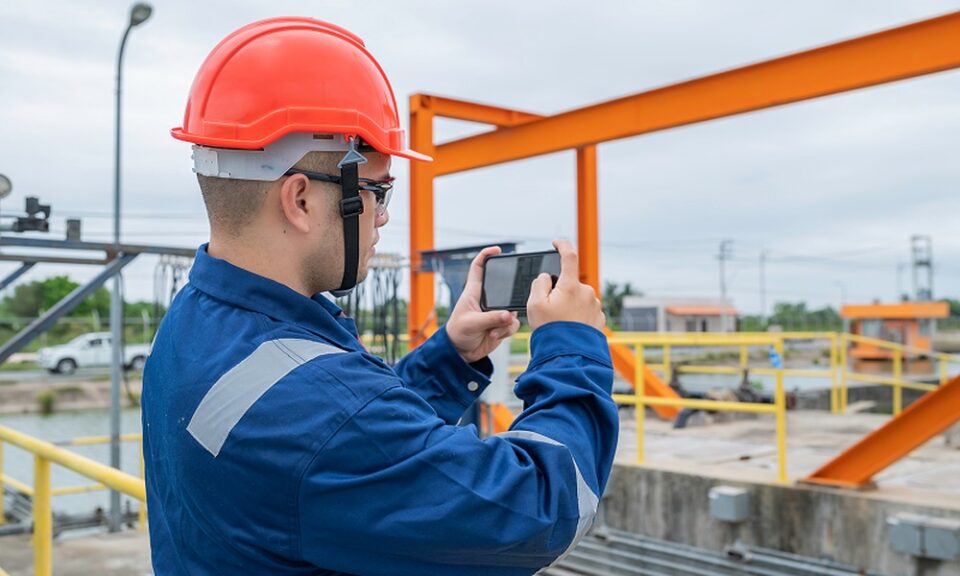
Beyond safety, Zone 1 cameras offer practical benefits for daily operations. Workers can capture high-quality images and videos during inspections, maintenance, or incident reporting without leaving hazardous zones. This capability improves efficiency and reduces downtime.
Many teams pair the camera with an ATEX Zone 1 phone to streamline communication. Together, these devices support real-time reporting, faster decision-making, and improved collaboration between on-site teams and remote supervisors.
Durability for Harsh Industrial Conditions
Hazardous environments often involve dust, moisture, vibration, and extreme temperatures. A Zone 1 camera must withstand these conditions while maintaining reliable performance. Manufacturers build these devices using rugged materials and sealed designs to resist water ingress and physical damage.
When industries have equipment that is highly durable, this can extend the lifespan of the device and lower replacement costs. For industries operating around the clock, dependable devices reduce disruptions and support consistent safety standards across shifts and sites.
How to Choose the Right Zone 1 Camera
When businesses select a Zone 1 camera, they should consider image quality, ease of use, battery life, and compatibility with existing systems. Clear visuals support accurate inspections and reporting, especially in complex industrial settings.
Working with experienced providers simplifies this process. Companies such as HAEXC focus on developing safe explosion-proof solutions. This expertise helps organisations deploy technology that meets both operational and compliance needs.
Conclusion
A Zone 1 camera plays a vital role in maintaining safety and efficiency within hazardous areas. Through ATEX certification, advanced engineering, and rugged design, these devices allow teams to work confidently in explosive environments. When combined with complementary tools like an ATEX Zone 1 phone, they support safer workflows and better communication.
Looking for certified Zone 1 cameras designed for safety and performance? Contact HAEXC to learn more.
