
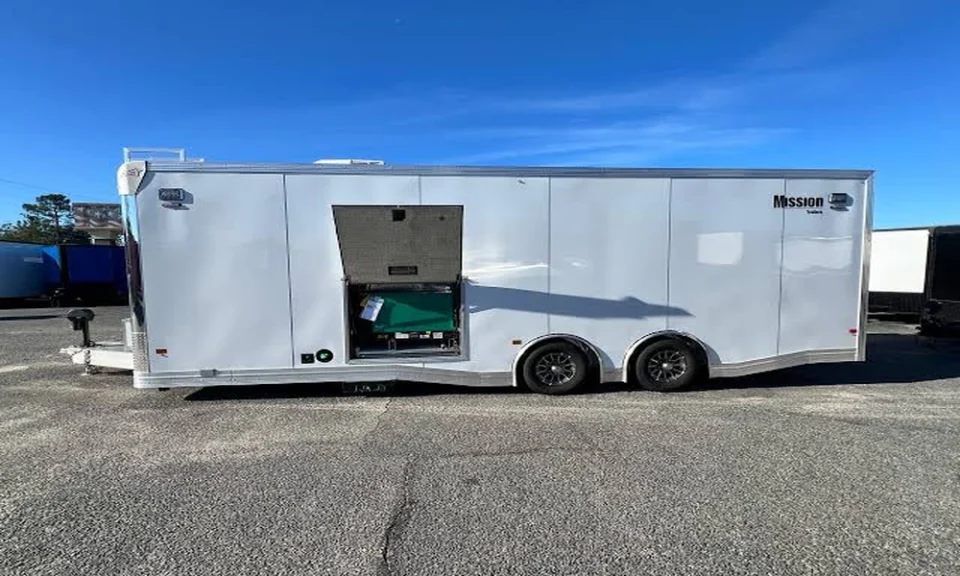
Emergency command trailers become the communication, coordination and decision-making centres in times of critical situations. These units are required to operate in difficult situations, in cases of disaster response, public safety, emergency management, or large gatherings. There are a number of key points to consider when designing a successful command trailer.
Drawing from practical Emergency Command Trailers Built Insights, public safety agencies can better understand how specific design choices directly impact frontline efficiency. By evaluating real-world field feedback and operational demands, teams can tailor these mobile units to ensure optimal performance, seamless communication, and long-term reliability during critical missions.
Communication Capabilities
Communication is one of the key requirements. It is important to ensure that command trailers will be able to host radios, cell phones, satellite communications, internet and other systems. If one communication network fails, having multiple options will help provide resilience.
Power Reliability
Emergency operations can be conducted in locations where regular power sources are not available or are unreliable. So command trailers need reliable power systems and appropriate back-up solutions. Power management solutions, generators and battery systems can ensure critical operations when the power goes out.
Environmental Resilience
A command trailer could be required to work in extreme heat, heavy rain, strong winds or other challenging situations. The structure should be well insulated, have suitable climate control, have some protection from the weather and protect sensitive equipment. Environmental resilience enables the effective functioning of personnel.
The interior design and operation of the area.
Internal layout should facilitate good communication and collaboration. Workstations, displays, communication equipment, storage areas and meeting spaces should be planned to meet the needs of the operation. By carefully planning a layout, it can minimise distractions and make important information more accessible.
Technology Integration
Digital tools have become essential for emergency response in today’s world. Technology such as mapping platforms, data systems, video feeds, network equipment and more could require support in command trailers. Planning for compatibility and updates can help to avoid the unit becoming outdated.
Mobility and Deployment
Another important factor is the ability to efficiently move and deploy the trailer. All of these factors should be considered, including size, weight, towing and access, as well as the time it will take to set up. A mobile command centre needs to be able to be moved and set up in a reasonable time frame.
Protection of security and equipment.
There might be important information and communications equipment in command trailers. Access control, proper storage, protective enclosures, and controlled access can help safeguard people and critical systems.
Maintenance and Training
The equipment needs to be maintained regularly for operational readiness. Regular testing of equipment, inspection of power systems and communication capabilities should be done. It is also important that personnel have training on the systems that the trailer may have and understand the deployment procedures.
Conclusion:
Emergency command trailers must be designed with resilience, flexibility and operational efficiency in mind. The effectiveness of a unit in the field depends on the unit’s ability to communicate, have backup power, provide environmental protection, integrate with technology, be mobile, be secure, and be maintained regularly. These factors should be taken into account carefully if organisations wish to create mobile command centres that help facilitate greater coordination and improved responses during challenging times.
