
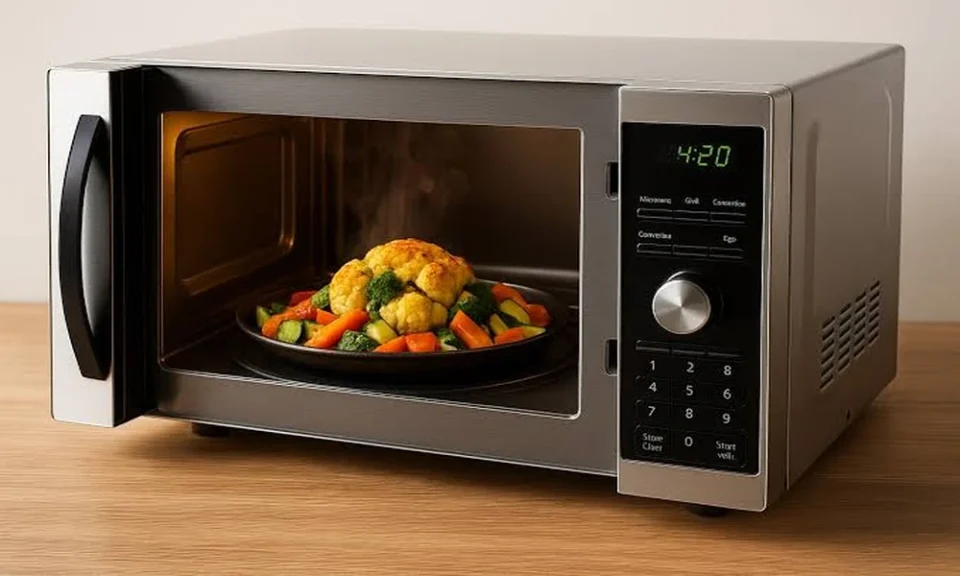
Technology continues to transform the modern kitchen, making cooking faster, easier, and more consistent. Among the appliances that have benefited significantly from technological development, ovens have become much more advanced than traditional heating devices. Modern ovens now combine efficient heating systems, multiple cooking functions, improved temperature control, safety mechanisms, and user-friendly controls.
Improved Heating Technology
One of the most important developments in modern oven technology is better heat distribution. Older ovens could sometimes create uneven heating inside the cooking chamber, which affected cooking quality. Newer models are designed to maintain a more balanced temperature throughout the interior.
Depending on the model, an oven may support baking, grilling, roasting, toasting, reheating, and other cooking functions. These different modes allow users to prepare several types of food using a single appliance.
Consumers interested in exploring available technologies, capacities, and specifications can check different Vision Oven models before choosing an appliance suitable for their kitchen.
Accurate Temperature Control
Temperature control plays an important role in successful cooking. Modern ovens provide users with greater control over cooking temperature and duration.
Accurate temperature management is particularly useful when preparing baked foods because small temperature differences can affect the final result. Adjustable controls help users select the appropriate heat level based on the food being prepared.
Many ovens also include timers that allow cooking duration to be managed more accurately. This reduces the need for continuous manual monitoring.
Multiple Cooking Functions
Modern oven technology focuses heavily on versatility. Instead of requiring different appliances for several cooking tasks, multifunction ovens can perform a variety of operations.
Depending on the available features, users may be able to bake cakes, grill meat, prepare pizza, toast bread, roast vegetables, or reheat prepared food. This multifunction approach can be especially useful in kitchens where available space is limited.
Safety Features in Modern Ovens
Safety is another area where oven technology has improved. Modern electrical appliances are increasingly designed with protective features that help provide a safer cooking experience.
Heat-resistant handles, stable door mechanisms, timers, insulated construction, and controlled heating systems are some examples of technologies that can improve usability and safety.
Users should still follow the manufacturer’s operating instructions and ensure that the oven is placed in a suitable location with adequate ventilation.
Energy Efficiency and Performance
Energy efficiency has become an important consideration when designing modern kitchen appliances. Improved heating elements and better insulation can help an oven reach the required cooking temperature efficiently while reducing unnecessary heat loss.
Efficient temperature maintenance can also improve cooking consistency. Rather than repeatedly losing and rebuilding heat, a properly designed oven can maintain a stable cooking environment.
Choosing the Right Oven Technology
Selecting an oven should involve more than simply comparing prices. Buyers should consider capacity, wattage, temperature range, available cooking functions, control system, timer options, safety features, internal design, and warranty coverage.
The ideal oven depends on individual cooking requirements. A smaller household may prefer a compact model, while users who regularly prepare larger meals may benefit from a higher-capacity oven.
As kitchen technology continues to develop, ovens are becoming more versatile, efficient, and convenient. Choosing a model with the right combination of heating performance, useful cooking functions, safety features, and capacity can make everyday food preparation significantly easier.
