
The Role of Simulation in Modern Engineering
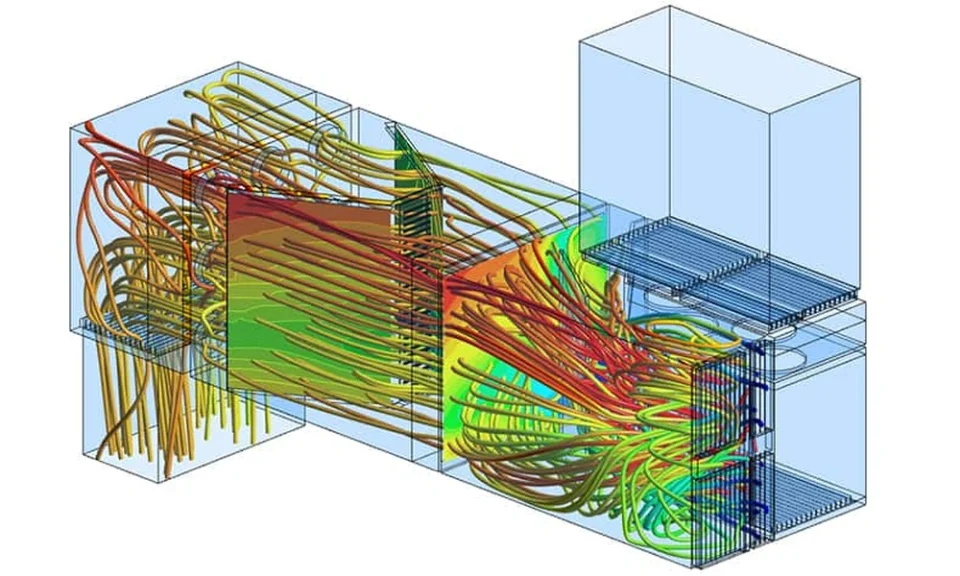
Simulation has become an important part of modern engineering because it allows engineers to study how complex systems may behave under different conditions. Instead of relying entirely on physical prototypes, computational methods can provide valuable insight into factors such as fluid flow, heat transfer, pressure, structural response, and other engineering variables. Ansys Fluent HPC services can support computational analysis by providing access to resources needed for demanding simulation workloads. These capabilities allow engineers to examine detailed models and develop a clearer understanding of system performance.
Simulation also supports a more structured engineering process. Engineers can define a problem, establish suitable parameters, run calculations, and review the resulting data. This organized approach helps connect theoretical knowledge with practical analysis and can support more informed technical decisions.
How Computational Resources Support Complex Analysis
Complex simulations can require significant computational resources, particularly when models contain detailed geometries, large computational domains, or numerous variables. High-performance computing resources can help manage these demanding calculations by providing greater processing capacity.
With appropriate computational resources, engineers can work with more detailed models and investigate different scenarios within a structured workflow. Running simulations efficiently allows technical teams to spend more time interpreting results and assessing engineering questions rather than waiting for individual calculations to complete.
Building Skills Through Structured Learning
Developing simulation expertise requires more than learning individual software functions. Engineers need to understand the fundamental principles behind the calculations and how those principles relate to real engineering problems. Structured learning can introduce concepts progressively, helping learners develop knowledge before applying it to more complex simulations.
Training can cover areas such as model preparation, boundary conditions, mesh development, solver settings, and result interpretation. Building these skills systematically helps engineers understand why particular approaches are appropriate instead of simply following predefined procedures.
From Fundamental Concepts to Practical Simulation Work
Practical simulation work becomes more manageable when engineers connect fundamental concepts with realistic applications. Basic studies can provide an opportunity to understand how physical principles translate into computational models. As experience develops, engineers can move toward more detailed cases involving multiple variables and complex operating conditions.
Reviewing simulation results is another important part of this process. Engineers need to assess whether the results are physically reasonable and whether the model adequately represents the problem being investigated. This combination of theory, modeling, computation, and interpretation strengthens technical capability.
Improving Simulation Workflows Through Better Planning
Planning can improve the efficiency and reliability of simulation workflows. Before beginning a computational study, engineers can define the objective, determine the required level of model detail, identify relevant inputs, and establish how results will be evaluated.
Organized file management, consistent modeling procedures, suitable computational resources, and documented simulation settings can also make future studies easier to reproduce. Reviewing each stage of a workflow can reveal opportunities to reduce unnecessary calculations and improve the quality of the overall analysis.
As computational engineering continues to develop, structured workflows can help engineers manage increasingly complex simulation tasks while strengthening their understanding of the technologies and principles involved.
