
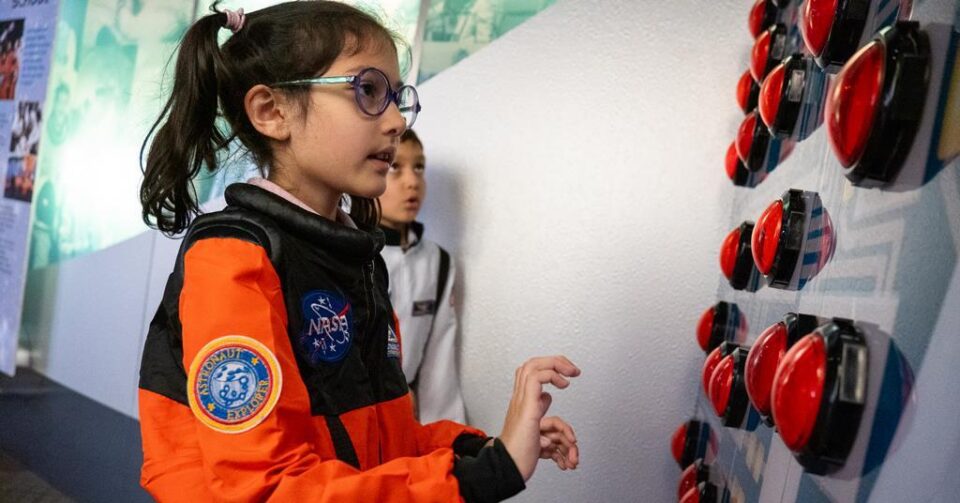
Space missions spark strong curiosity in young minds. Students often dream about distant planets and brave astronauts. The classroom can use that natural wonder. The idea feels exciting and powerful for learning. Now teachers seek engaging ways to teach science. Real missions create strong learning connections for students. Space exploration shows clear examples of teamwork and discovery. The subject links science with daily curiosity and imagination. Schools benefit when lessons feel active and meaningful. Programs such as Mission.IO show how missions support learning through immersive science stories.
The Power of Real Scientific Exploration
Space exploration shows science as an active human effort. Students observe how scientists solve complex challenges together. The excitement of exploration builds strong classroom engagement. The topic invites curiosity about planets stars and technology. Real missions present science as an unfolding journey. Students learn that discovery requires patience effort and careful thinking. Now curiosity grows when students imagine guiding a spacecraft through deep space. Mission.IO creates digital missions where students become active members of a space crew. The experience turns abstract science ideas into living adventures for learners.
Connecting Classroom Concepts to Real Missions
Science lessons gain meaning through real world context. Students explore physics chemistry and biology through mission scenarios. The connection strengthens memory and understanding across many subjects. The story of a space mission creates strong emotional engagement. Students imagine solving urgent problems during an interplanetary journey.
Building Problem Solving and Team Skills
Space missions demand cooperation and careful decision making. Students practice teamwork while facing complex mission challenges. The process reflects real scientific collaboration across many fields. The mission structure encourages active participation from every learner. Students evaluate evidence and test solutions during the mission narrative. But teamwork becomes the central element of the learning experience. Mission.IO uses collaborative storytelling to create shared scientific goals for students. Learners discuss strategies and debate possible outcomes with classmates. The environment builds communication and confidence in young scientists. The classroom begins to resemble a real research team.
Supporting Teachers with Engaging STEM Tools
Teachers need creative tools that simplify complex science topics. Space mission simulations provide structured and engaging learning experiences. These platforms support both curiosity and academic standards. Educators search for best resources for STEM teachers when designing engaging lessons. Mission based programs offer clear scientific frameworks and narrative guidance. The experience helps teachers introduce advanced concepts with simple storytelling. Students respond strongly to stories that involve exploration and discovery.
Conclusion
Space and science missions bring powerful energy into classrooms. Teachers gain engaging tools that support deep understanding. The approach builds curiosity teamwork and problem-solving skills in young learners. Schools that embrace mission-based learning often see stronger student engagement. The future of science education benefits from imaginative exploration. Space missions remind students that discovery always begins with curiosity.
