
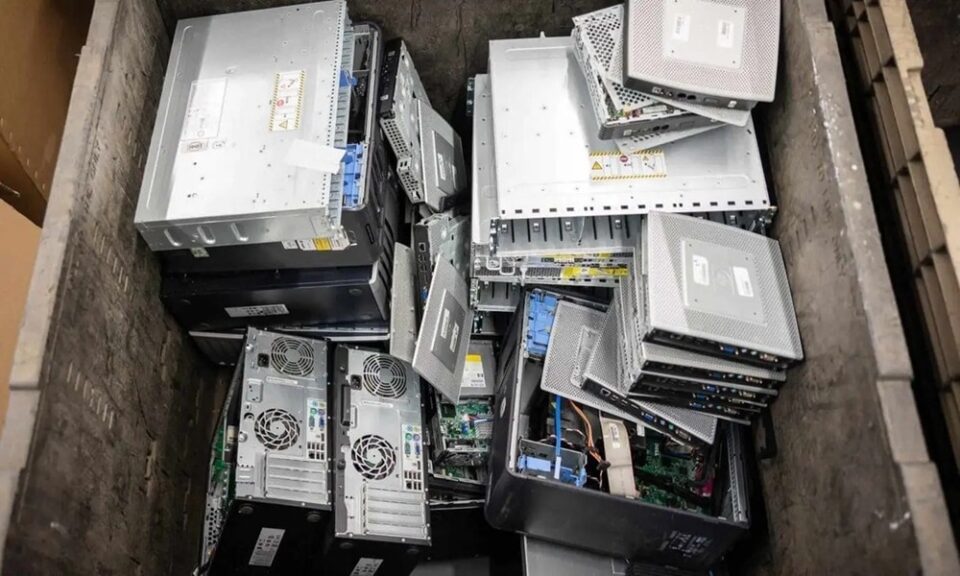
IT asset recycling offers organisations in Singapore a practical way to recover value from outdated technology while meeting environmental and data security obligations. Every business reaches a point where servers, laptops, desktops, and networking equipment must be replaced. What happens to that old hardware matters far more than most companies realise. Leaving it to gather dust in a storeroom is wasteful. Dumping it irresponsibly is harmful and, increasingly, illegal.
Singapore generates thousands of tonnes of electronic waste each year. As one of the most digitally connected nations on earth, the volume of retired IT equipment is substantial. The good news is that much of it still holds value, both as refurbishable technology and as recoverable raw material.
What IT Asset Recycling Actually Means
IT asset recycling is the process of collecting, sorting, sanitising, and either refurbishing or dismantling end-of-life IT equipment. It sits within the broader discipline of IT Asset Disposition (ITAD), which governs how organisations manage hardware from procurement through retirement.
The process begins with an inventory audit. Every device is catalogued by type, model, serial number, and condition. Devices that still function and hold market value are earmarked for refurbishment and resale. Those that have reached the end of their useful life are dismantled, and their component materials are separated for recycling.
Data security is woven into every step. Before any device is refurbished or dismantled, all storage media must be sanitised or destroyed to prevent data leakage. Certified providers follow standards such as NIST 800-88 for data erasure and issue certificates of destruction for every item processed.
The Financial Case for Recycling IT Assets
Old technology is not worthless. Enterprise-grade servers, switches, and storage arrays often retain significant resale value, even after several years of service. Laptops and desktops in good working condition can be refurbished and sold into secondary markets across Southeast Asia.
A well-managed IT asset recycling programme can offset the cost of new equipment purchases. Some organisations recover enough from their retired assets to fund a meaningful portion of their next hardware refresh. That is money that would otherwise be left on the table.
Even devices with no resale value yield recoverable materials. Aluminium, copper, steel, gold, palladium, and rare earth elements are all present in common IT hardware. Specialist recyclers extract these materials for reuse in manufacturing, creating a genuine circular economy for electronics.
Environmental Responsibility and Regulation
Singapore’s Zero Waste Masterplan sets ambitious targets for reducing waste sent to the Semakau Landfill. Electronic waste is a key focus area, and the Resource Sustainability Act requires producers and retailers of regulated electrical and electronic equipment to participate in the national e-waste management system.
For businesses, this means that simply discarding old IT equipment with general waste is no longer acceptable. Proper recycling through a licensed provider ensures compliance with environmental regulations and demonstrates corporate social responsibility.
As Prime Minister Lawrence Wong has emphasised, “Sustainability is not optional. It is a strategic imperative for Singapore’s future.” Organisations that take IT asset recycling seriously are aligning their operations with national priorities and global expectations.
Data Security Throughout the Recycling Process
One of the most common concerns about recycling IT assets is the risk of data exposure. That concern is entirely valid. A single drive containing unprotected customer data can trigger a breach with devastating consequences under the Personal Data Protection Act (PDPA).
Reputable recycling providers address this risk head-on. Every storage device is either wiped to certified standards or physically destroyed before any refurbishment or material recovery takes place. Chain of custody documentation tracks each asset from collection to final processing.
On-site destruction services are available for organisations whose security policies prohibit media leaving the premises. For those comfortable with off-site processing, certified ITAD facilities use secured transport, access-controlled processing areas, and CCTV surveillance to maintain integrity throughout.
Choosing the Right Recycling Partner
The quality of your recycling partner directly affects the security, compliance, and financial outcome of your programme. Look for providers with R2 or e-Stewards certification, which are the gold standard for responsible electronics recycling. ISO 27001 accreditation adds assurance around information security management.
Evaluate the provider’s capabilities across the full lifecycle. Can they handle data sanitisation, refurbishment, remarketing, and material recycling under one roof? A single provider who manages the entire process reduces complexity and minimises handoff risks.
Ask about reporting. You should receive detailed asset registers, data destruction certificates, environmental processing records, and financial reconciliation if resale revenue is involved. Transparency at every stage is non-negotiable.
Getting Started With IT Asset Recycling
Begin by auditing your current inventory of retired and surplus equipment. Identify what is stored, where it is located, and what data it may contain. This baseline assessment will inform your recycling strategy and help your chosen provider scope the engagement.
Establish a recurring schedule for asset retirement rather than allowing equipment to accumulate indefinitely. Integrate recycling into your IT procurement policy so that end-of-life planning begins at the point of purchase, not years later when devices are obsolete.
With the right partner and a clear framework, IT asset recycling becomes a source of value rather than a burden, giving your organisation a sustainable, secure, and financially rewarding approach to managing old technology through disciplined IT asset recycling.
