
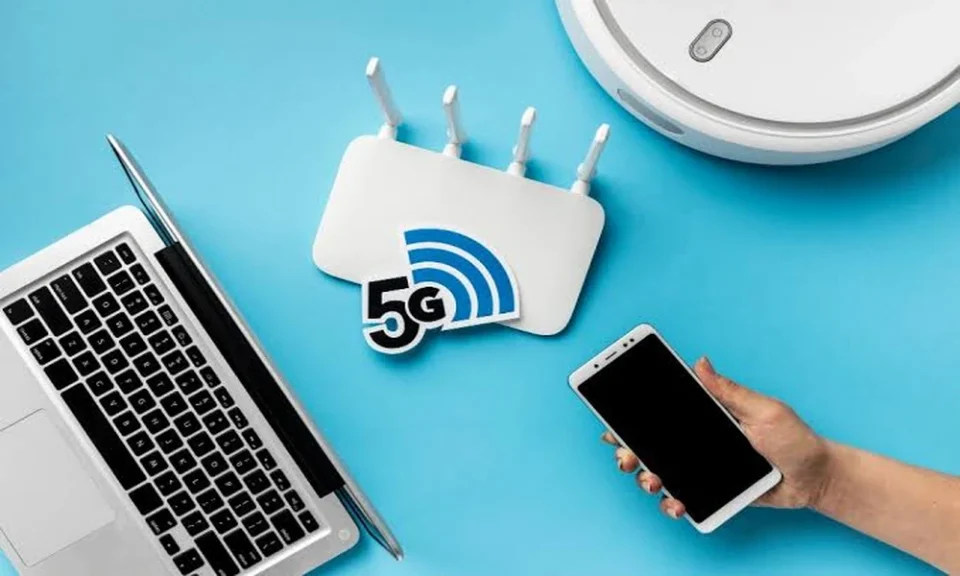
Reliable mobile connectivity is important for communication, work, entertainment, and everyday activities. However, weak signals can make it difficult to make calls, send messages, or use mobile data smoothly. Network boosters can help improve signal strength in areas where reception is limited. Understanding how these devices work and what factors affect their performance can help users choose and use them more effectively.
Despite the widespread deployment of cellular infrastructure, physical obstacles often prevent exterior signals from penetrating deeply into interior spaces. Integrating a reliable Network Booster into your setup bridges this gap by intercepting faint outside signals and redistributing them evenly throughout dead zones. This targeted reinforcement prevents unexpected coverage drops and ensures your mobile devices remain seamlessly connected regardless of structural barriers.
What Is a Network Booster?
A network booster is a device designed to improve an existing mobile signal. It usually works with an outdoor antenna, an amplifier, and an indoor antenna. The outdoor antenna receives an available signal from a nearby cell tower. The amplifier strengthens the signal, and the indoor antenna distributes the improved signal within the required area.
Why Indoor Signals Become Weak
Mobile signals can weaken when they pass through concrete walls, metal structures, glass, insulation, and multiple floors. Buildings located far from cell towers may also experience weaker reception. Basements, enclosed rooms, warehouses, and large offices can have areas where mobile devices struggle to maintain a stable connection. These conditions can lead to dropped calls, poor audio, and slow mobile data.
Improving Call Quality
One of the main advantages of a network booster is improved call reliability. Weak signals can cause calls to drop or conversations to become unclear. By strengthening an available signal, a booster can help mobile devices maintain a more stable connection. This can make everyday communication more convenient, particularly in areas where users regularly experience poor reception.
Supporting Mobile Data
Network boosters can also improve mobile data performance when weak signal strength is the main problem. Poor reception can result in slow browsing, delayed messages, and interruptions when using online services. A stronger signal can help devices maintain a more consistent mobile data connection, allowing users to access online content with fewer interruptions.
Choosing the Right Equipment
Different buildings and locations have different connectivity requirements. When selecting a network booster, users should consider the existing outdoor signal, the size of the area requiring coverage, building materials, and the mobile frequencies that need to be supported. A booster should be suitable for the specific environment rather than selected based only on price.
Importance of Proper Installation
Correct installation can have a significant effect on booster performance. The outdoor antenna should be positioned where it can receive a suitable signal, while the indoor antenna should cover the area where improved reception is required. Proper separation between antennas can also help the system operate effectively. Following installation instructions and maintaining the equipment can support consistent performance.
Using Boosters Responsibly
A network booster should be used according to applicable requirements and the equipment’s operating instructions. Users should ensure that the device is compatible with the networks in their area and does not interfere with normal network operation. Choosing suitable equipment and using it correctly can help provide reliable connectivity without creating unnecessary problems.
Conclusion
Network boosters can be a practical solution for improving mobile signal strength in areas with weak indoor reception. They work by receiving an available signal, strengthening it, and distributing it within a building or specific area. By considering signal availability, coverage needs, compatibility, installation, and responsible use, users can improve call quality and mobile data reliability. A well-chosen and properly installed booster can make everyday mobile communication more dependable.
